Nick Olds leads ConocoPhillips’ Lower 48 business unit, the company’s largest segment by production and a core contributor to its long‑term performance.

As executive vice president of Lower 48 and Global Health, Safety and Environment, he oversees a diverse portfolio of operations, with a focus on safe, reliable execution and disciplined value delivery.
In this Q&A, Olds shares how the Lower 48 is translating scale, inventory and technology into sustained performance.
Why is the Lower 48 strategically important to ConocoPhillips’ portfolio?
The Lower 48 is our largest area of activity in terms of both production and capital investment, and it plays a critical role in how we compete globally.
More than 60% of ConocoPhillips’ total production comes from our Lower 48 unconventional assets, which span four basins: the Delaware, Midland, Eagle Ford and Bakken.
We have the best rock in the best part of the best plays, and with our scale and deep inventory, we are well positioned to grow over the long term.
In 2025, our full-year Lower 48 production averaged ~1,484 MBOED, right in line with guidance and supporting the company’s 2.5% underlying production growth.
How did ConocoPhillips build such a strong Lower 48 position?
It’s been a combination of disciplined strategy and execution.
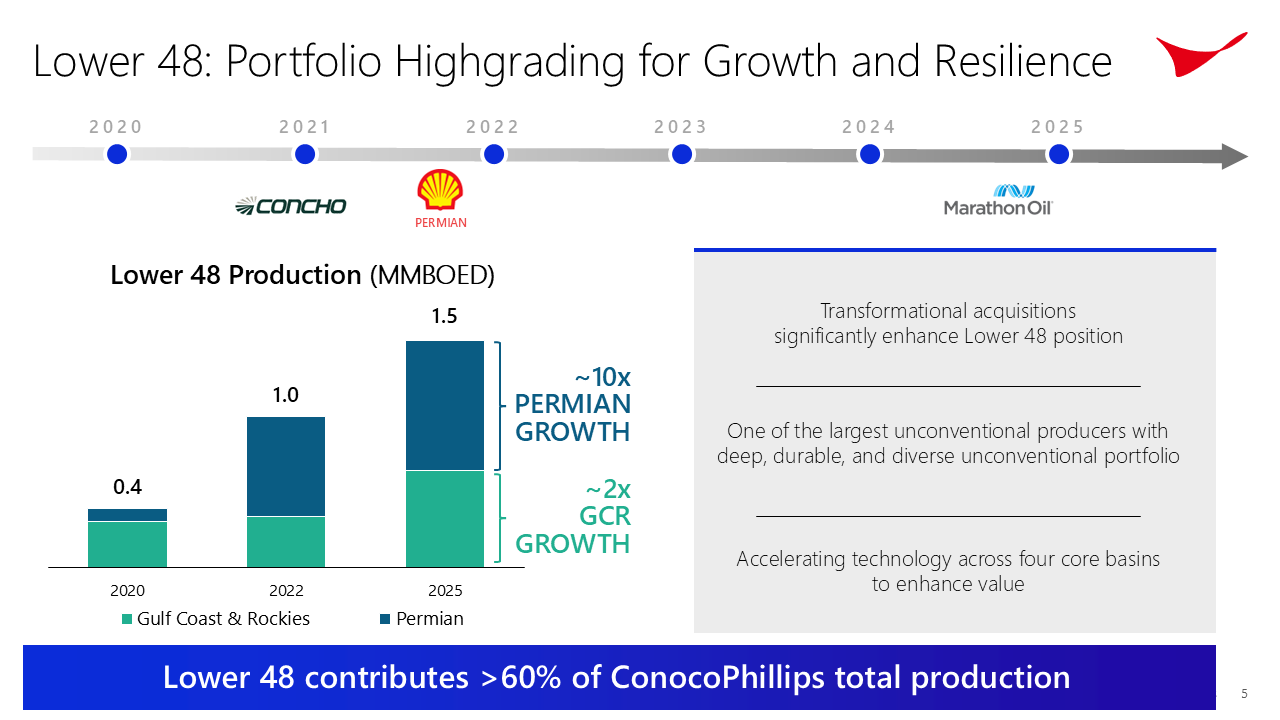
Over the last five years, we’ve completed several transformational acquisitions that reshaped our Lower 48 footprint.
The Permian-focused acquisitions of Concho Resources and Shell’s Permian assets in 2021 were major milestones, followed by the Marathon Oil acquisition in 2024, which expanded our Gulf Coast and Rockies exposure.
The result is significant growth.
Across the Lower 48, we’ve nearly quadrupled production in five years. In the Permian alone, production grew from less than 90,000 barrels of oil equivalent per day in 2020 to almost 900,000 in 2025.
That kind of growth doesn’t happen by accident. It reflects our ability to integrate assets, optimize development and operate at scale.
What are the benefits of having a deep inventory?
Inventory depth is one of the most important differentiators in our business, and we have top-tier positions in four oily Lower 48 basins – Delaware, Midland, Eagle Ford and Bakken.
Across our Lower 48 portfolio, we hold roughly 10,000 locations and are the leader in inventory years. This depth allows us to plan beyond the next cycle and sustain growth well into the next decade.
It also gives us flexibility.
We can allocate capital to our best opportunities, adapt to market conditions and continue delivering competitive returns while maintaining discipline.
Can you share some examples of operational efficiency improvements?
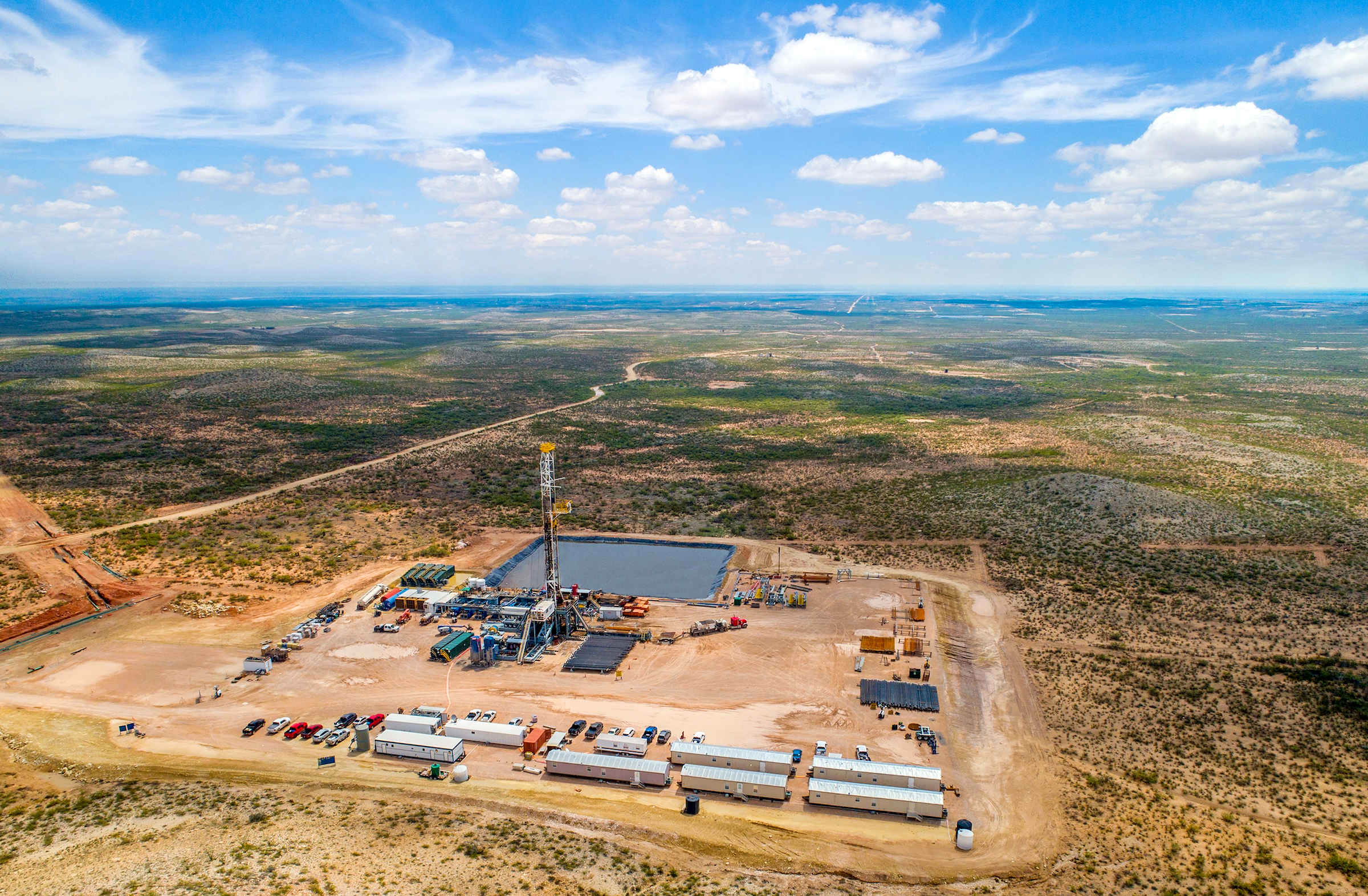
Those improvements have been driven by a combination of new technologies and best practices, such as automated drilling, extended laterals, simulfrac, continuous pumping and advanced rig capabilities.
Extended laterals are a great example.
In 2023, 60% of our Permian future well inventory was longer than 2 miles. Today, that number is over 80%. In fact, over 90% of the Permian 2026 program will be greater than 2-mile wells. The trend of increasing lateral length applies to the Bakken and Eagle Ford as well, with both programs expanding long-lateral development with 20% more 2-mile or greater wells planned in 2026 versus 2025.
We know extended laterals consistently lower breakevens, and we’re continuing to push in that direction by optimizing acreage and executing smart trades.
That focus on disciplined execution isn’t limited to drilling and completions. Across the broader organization, teams are taking a fresh look at legacy practices, simplifying workflows and standardizing where it makes sense.
Facilities standardization is a good example. We’ve stepped back and taken a hard look at design specifications, asking where consistency can replace customization without sacrificing performance or safety. That approach reduces engineering cost, improves cycle time and enables bulk off-the-shelf purchasing.
Additionally, we’re focused on streamlining integrated planning across drilling, completions, facilities and maintenance. These efforts seek to keep field resources fully utilized, and we’re already seeing reduced rental equipment and lower warehousing requirements. Ultimately, we must maximize field tool time – reducing delays, rework and idle crews.
Taken together, these efforts help lower our cost of supply, strengthen margins and ensure the Lower 48 remains competitive well into the future.
How is technology transforming development in the Lower 48?
Technology helps us work smarter and drive incremental value.
When we find something that works — whether that’s a process improvement, a technology application, or a different way of operating — we can apply it across multiple assets.
We’re seeing real promise in areas like automated fracturing and advanced subsurface modeling.
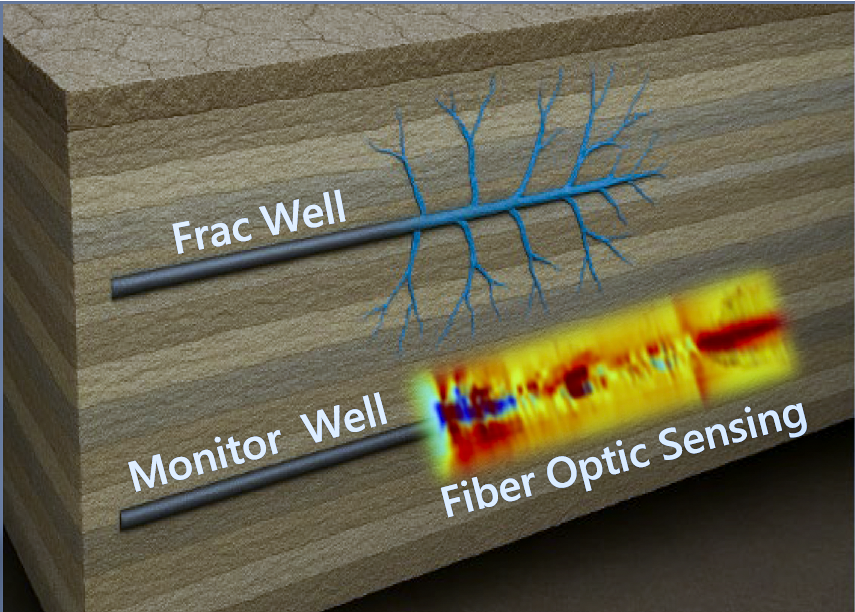
Recently, a first-of-its-kind Permian trial used temporary fiber-optic cable to provide real-time downhole measurements during fracturing.
That data autonomously adjusted surface equipment, shifting frac stage volumes by as much as minus 5% to plus 25%.
The benefits are meaningful, potentially lowering completion costs by $5 to $15 per foot while improving recovery and reducing frac hits.
And on the production side, digital workflows, continuous monitoring and AI-driven gas-lift optimization are improving reliability, reducing site visits and boosting performance across existing wells.