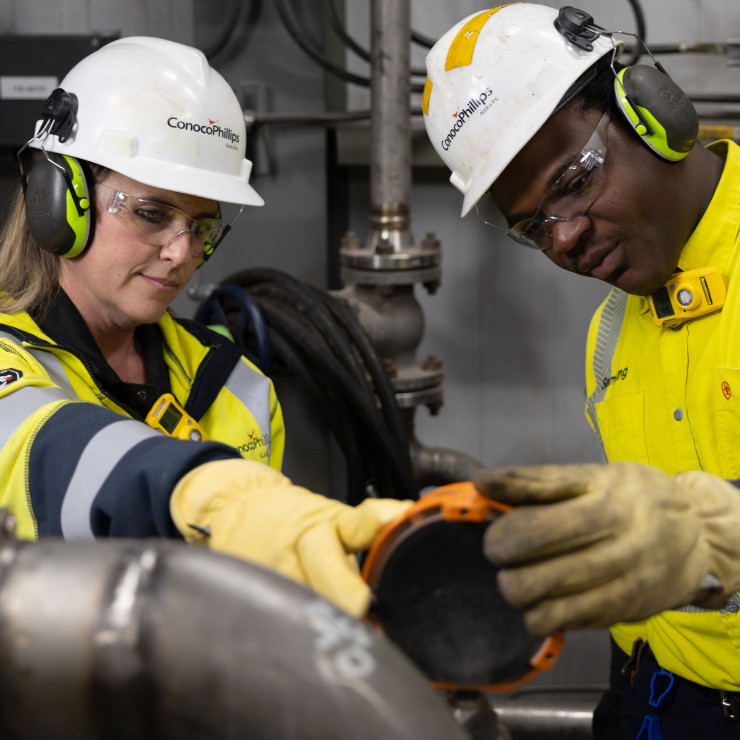
Building Alaska’s next generation of energy workers takes more than ambition — it takes long-term investment.
To help meet that need, ConocoPhillips Alaska recently donated $400,000 to the University of Alaska to invest in its process technology programs. The gift established the ConocoPhillips Alaska Process Technology Support Fund, strengthening the state’s energy workforce pipeline.
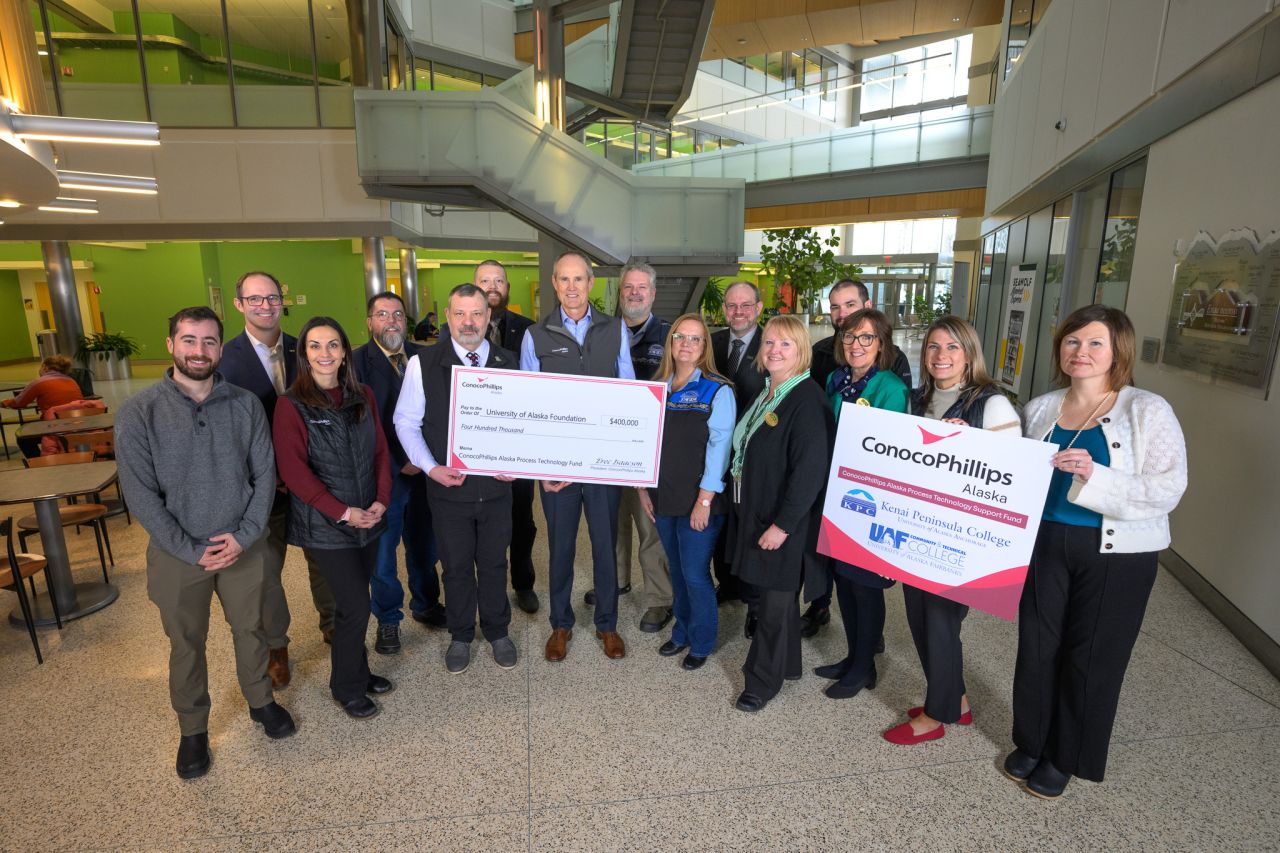
“Alaska’s energy industry depends on highly skilled process technicians and operators,” said Tim Turner, vice president, Operations, ConocoPhillips Alaska. “The need is growing, and the challenge is twofold: awareness and access.”
The fund supports the process technology programs at the University of Alaska Fairbanks Community and Technical College and the University of Alaska Anchorage Kenai Peninsula College. It is focused on:
- Modernizing hands-on training and updating equipment, so students train on what they will use in the field.
- Expanding outreach so more students know this option exists, including early exposure for high school students.
- Creating smoother transitions from classroom to high-demand energy careers in Alaska.
“We see this as a long-term workforce development investment that connects classroom learning to real careers, and we hope it also encourages additional industry partners to invest in this vital pipeline,” Turner said.
These programs are already delivering results. The university reports that most process technology graduates secure jobs in Alaska within one year of completing their studies.
"If you’re looking for a career that’s hands-on, high-responsibility and built to last, this is a strong place to start," Turner said.
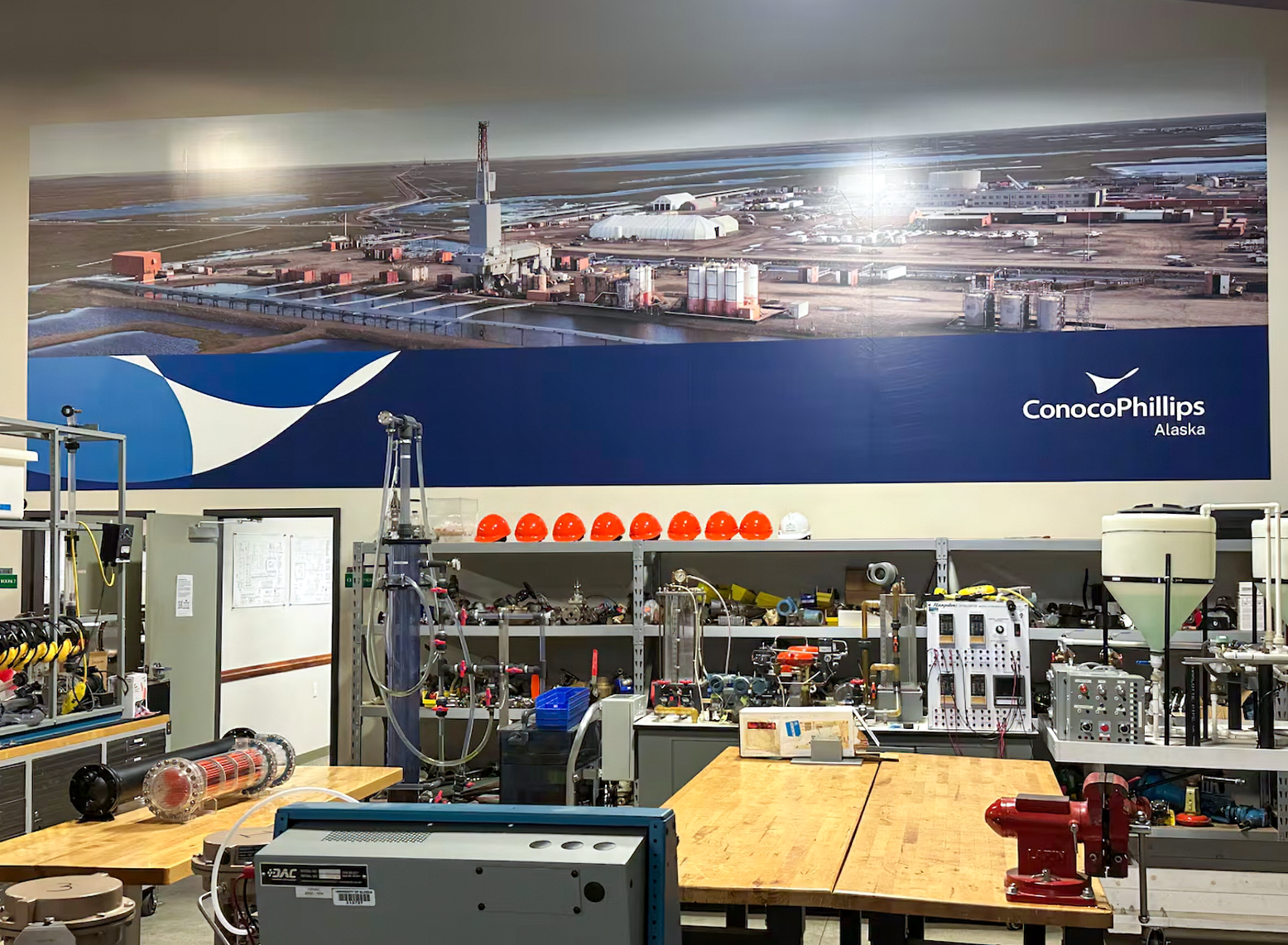
Why hands-on Alaska energy workforce training matters
At the Fairbanks college, the philosophy is straightforward: you don’t learn this kind of work by sitting in a lecture hall.
“Students only retain 8-10 percent from a lecture alone,” said Assistant Professor David Fonger, who teaches and leads the program. “But when they’re doing the work — and actually using the equipment — that’s when it sticks. These hands-on skills are priceless.”
That is why a significant portion of the ConocoPhillips funding is dedicated to labs, simulations and equipment upgrades. It is about more than keeping up with technology — it is about making sure students are ready to step into the industry on day one.
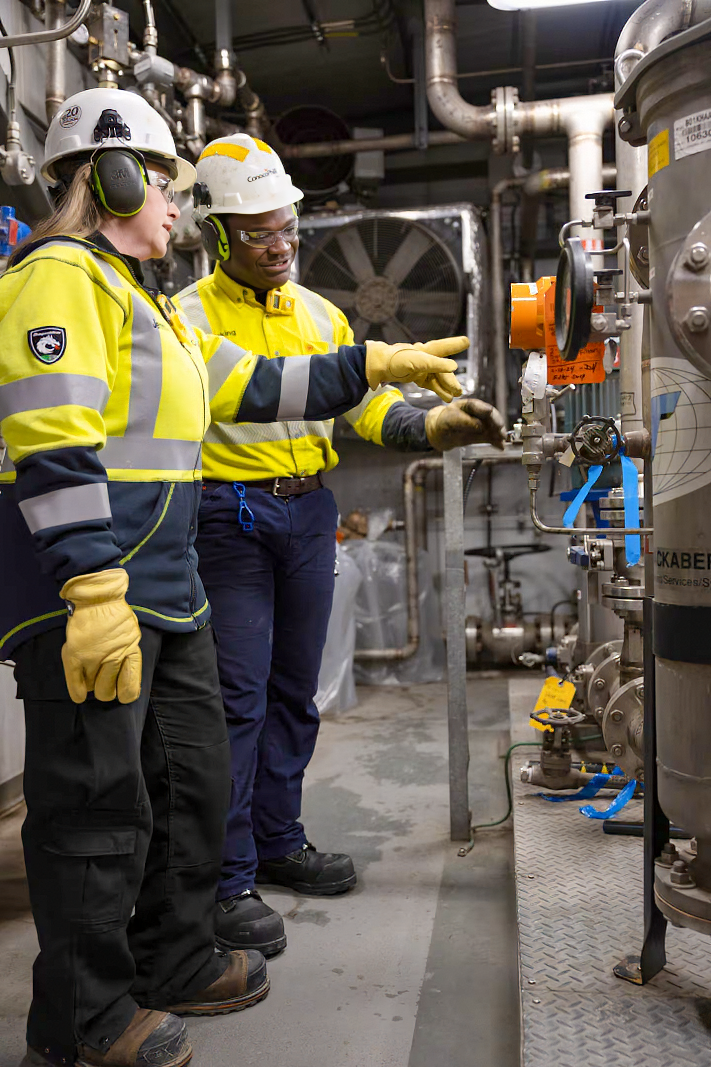
Through dual-credit courses and outreach initiatives, high school students can explore process technology before they graduate, earn college credit and make more informed decisions about what comes next.
“Increasing awareness early is key to addressing Alaska’s skilled labor shortage,” said Teri Cothren, associate vice president, Academic & Student Affairs, University of Alaska System. “Students need to see these pathways and understand how to access them.”
The process technology programs are designed for people who do not have the flexibility to be full-time students, whether they are still in high school or already working in the industry and looking to advance their skills.
At Kenai Peninsula College, much of the process technology coursework is delivered online, with flexible schedules that support students who may be working or living outside the immediate area. Once or twice a semester, students come to campus for lab-intensive sessions that provide essential hands-on experience.
At the Fairbanks college, the program is completed through in-person courses that combine classroom instruction with practical hands-on learning at the Fairbanks Pipeline Training Center, with daytime and evening classes and virtual lecture options for students who cannot always attend on campus. Together, these models make technical education more accessible for adults balancing jobs and families.
“We’re not just training new workers,” said Jeffrey Laube, professor of process technology, Kenai Peninsula College. “We’re elevating the skills and credentials of Alaska’s existing workforce — and this is also where industry partnerships like the one with ConocoPhillips become so crucial. Without this kind of support, we simply couldn’t deliver the quality of education that Alaska’s workforce demands.”
ConocoPhillips Alaska Process Tech Scholarship
With administrative support from The Alaska Community Foundation, ConocoPhillips has established a scholarship fund to support students pursuing a two-year process technology degree through the University of Alaska. For more information, visit the Alaska Community Foundation fund page.
Investing in Alaska's energy workforce
Erec Isaacson, president, ConocoPhillips Alaska, said the University of Alaska's process technology programs have played an integral part in building Alaska's energy workforce, including at ConocoPhillips.
“Many of our talented operators graduated from these programs," he said, "gaining hands-on skills and real-world experience that prepared them to step into critical roles.”
Jesse Thomas is one example of how the programs make a difference.
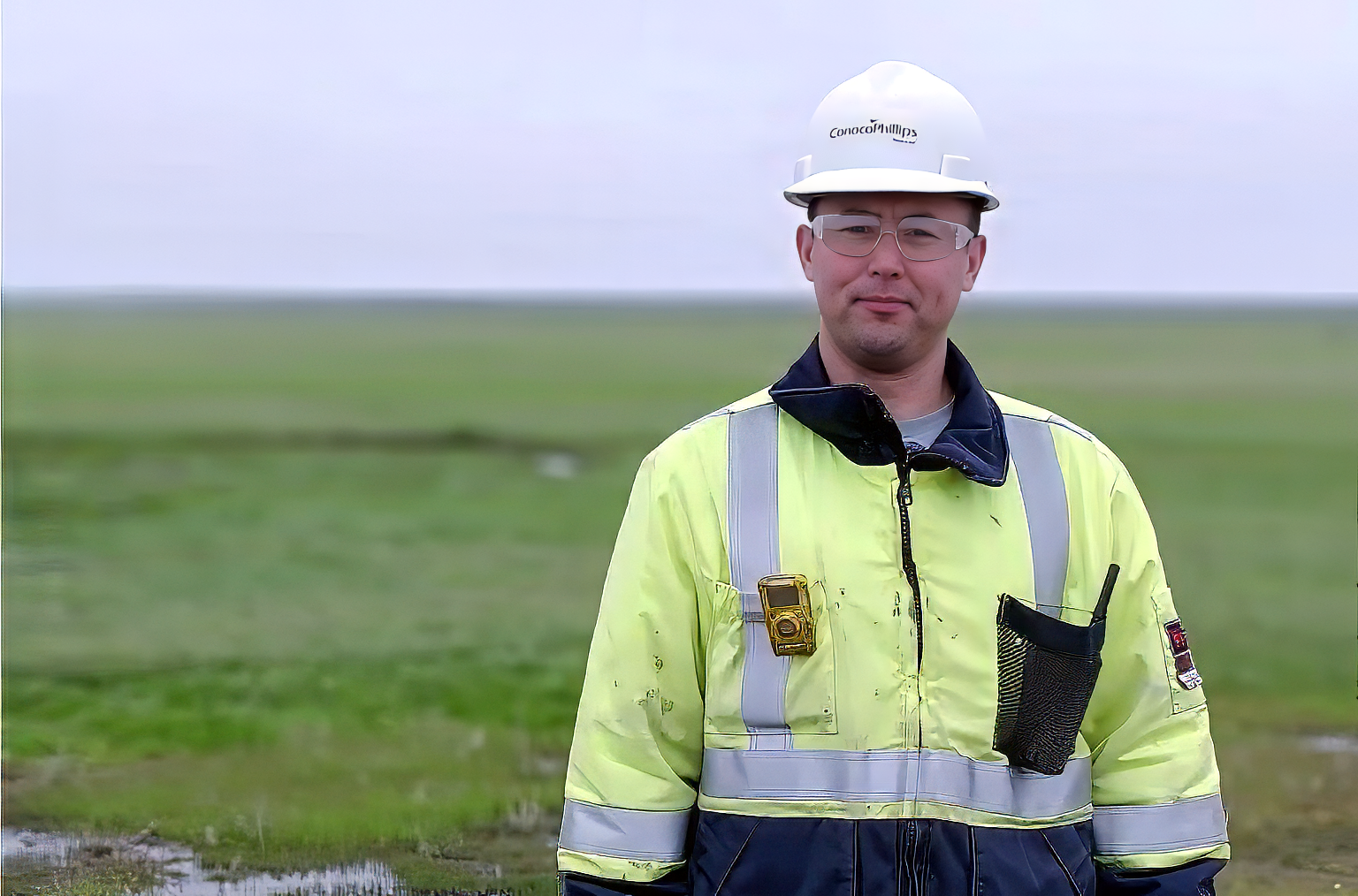
Now a facility supervisor at Kuparuk, Thomas grew up in Fort Yukon and knew early on that he wanted a career that would support his family and keep him connected to home. The process technology program offered that path.
After enrolling, he began what has become a 23-year career with ConocoPhillips. Looking back, he credits the program with giving him both the technical skills and the confidence to step into the industry.
“It prepared me with hands-on training, troubleshooting skills and a strong safety mindset,” Thomas said.
Interested in process technology?
A version of this story appeared as sponsored content in the Anchorage Daily News.