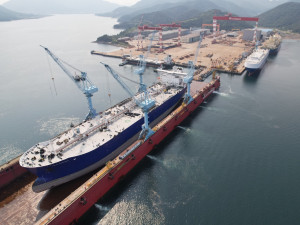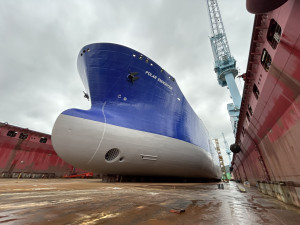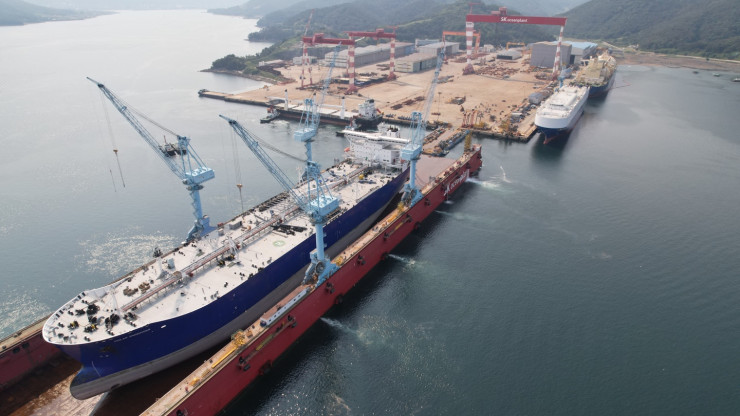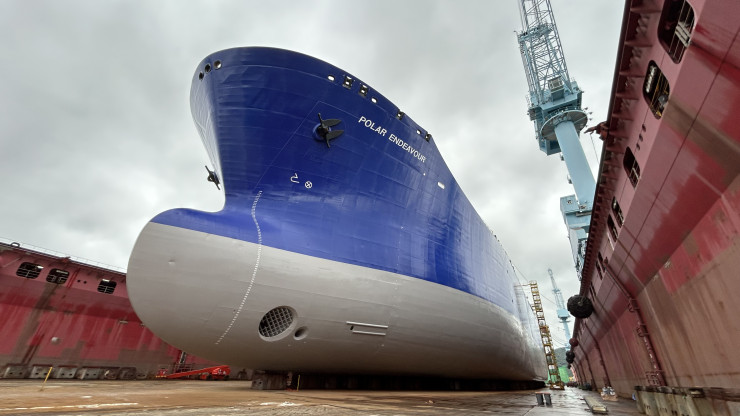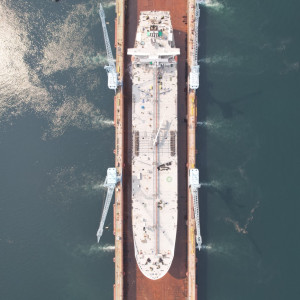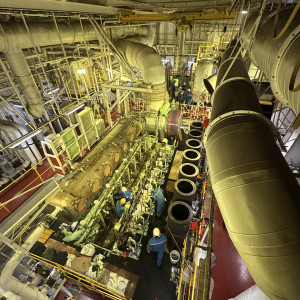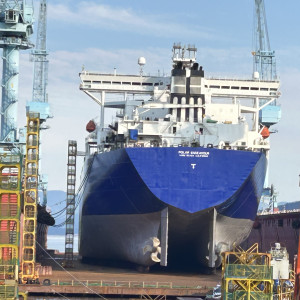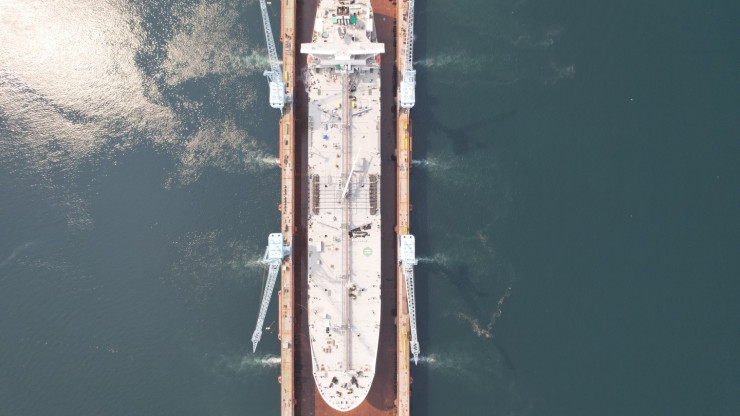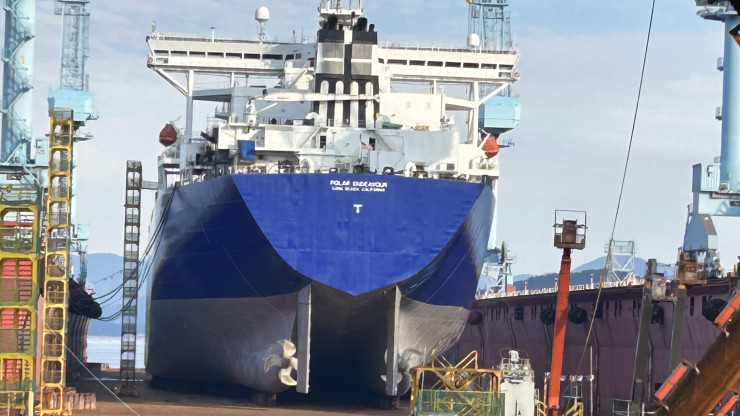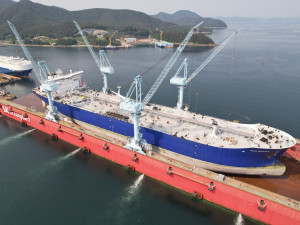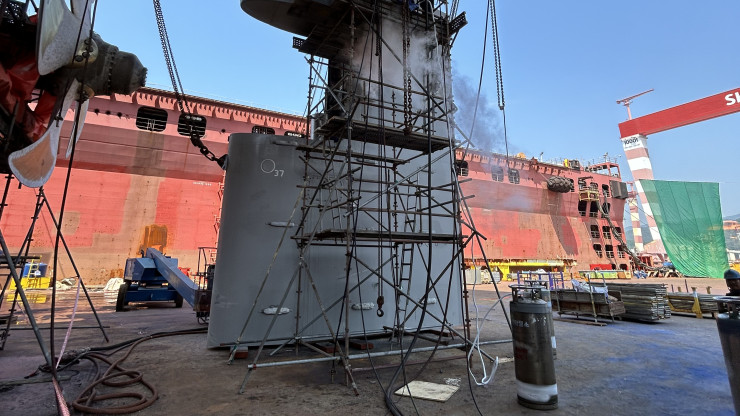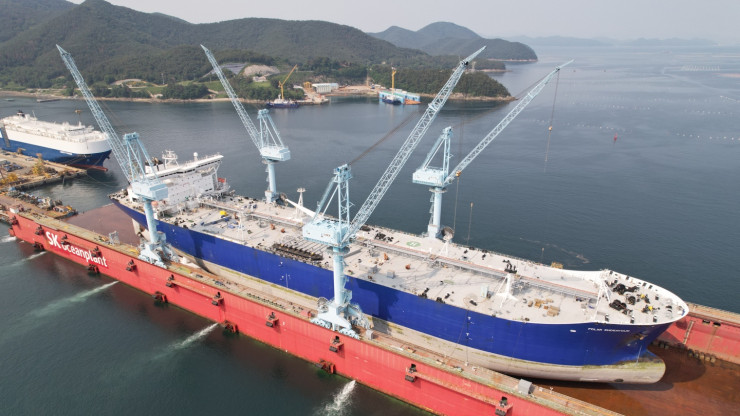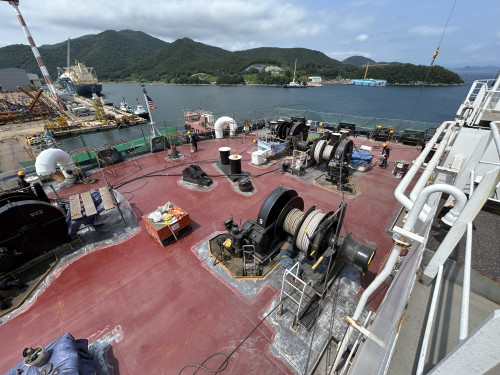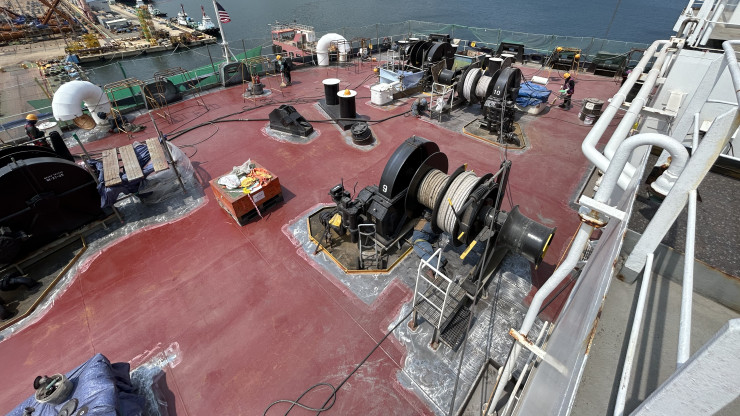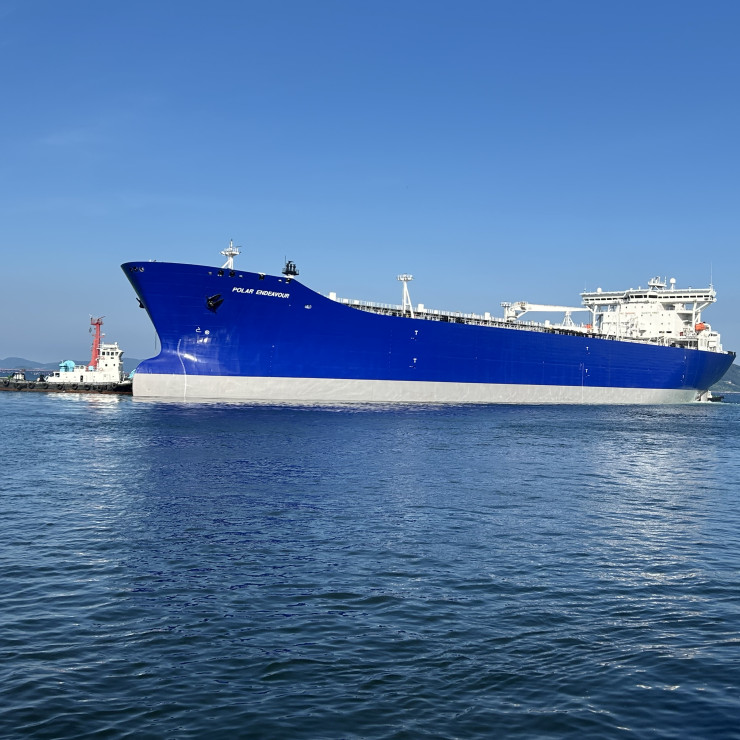
The Polar Endeavour leaves Samkang S&C shipyard in South Korea for a sea trial after undergoing scheduled maintenance.
In 2025, ConocoPhillips' Polar Tankers relocated its shipyard maintenance operations from Singapore to South Korea, a move that has already delivered substantial efficiency gains and cost savings for ConocoPhillips.
For 21 years, Singapore had served as a reliable hub for Polar Tankers’ fleet maintenance and capital projects, consistently providing high-quality and dependable shipyard services. However, the long transits required from the U.S. West Coast to Singapore elevated fuel costs and increased in-country time, diminishing operational efficiency.
Was a more strategically positioned maintenance solution available?
To address this question — and others surrounding efficiency and cost — the Polar Tankers project team initiated a reassessment of its maintenance approach in 2024, seeking shipyard alternatives that offered closer proximity to its core shipping lanes, minimized turnaround times and aligned with the company's cost-reduction efforts.
Learn more about ConocoPhillips' crude oil tankers, which carry crude oil from Valdez, Alaska, to ports along the West Coast of the United States and Hawaii. | Polar Tankers
In July 2024, the Polar Tankers project team found what they’d been searching for when they visited Samkang S&C, a shipyard in South Korea that checked all the right boxes.
Impressed by the facility’s capabilities and efficiency, as well as the network of surrounding new build shipyard support, the team initiated a project package and bid request. After months of due diligence, including a comprehensive audit of the shipyard’s safety systems, Polar Tankers signed a contract with Samkang S&C in January 2025, the deal marking a transformative shift for Polar Tankers.
"With the support of Global Technical Functions and the Marine Management Team, we decided to challenge how we execute our projects," said Polar Tankers Engineering Manager Kyle Boucher. "Embracing change is good for business."
This year, the South Korean shipyard completed maintenance on two of ConocoPhillips' five Polar Tankers — the Polar Endeavour and Polar Discovery — fulfilling both projects with zero recordable injuries and ahead of schedule. The accelerated turnarounds yielded additional days of commercial availability, surpassing previous benchmarks. Coupled with improvements at both shipyards, overall fleet use to date has increased by almost two months, giving Polar Tankers greater commercial flexibility and added cargo capacity.
"Their turnaround times on both projects were impressive," Boucher said. "They have highly efficient processes, and their workforce has excellent skillsets."
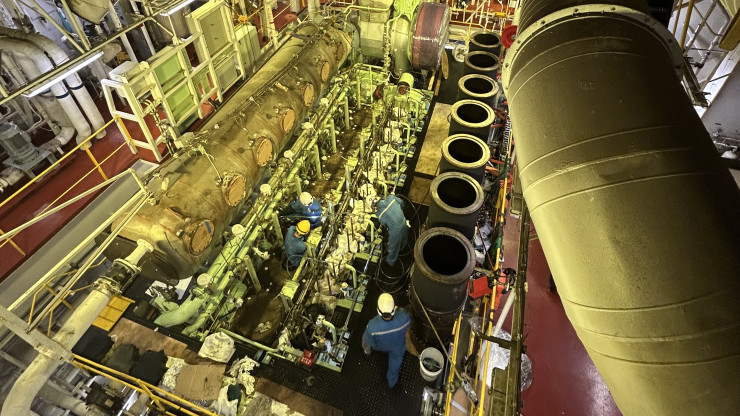
The Polar Endeavour's maintenance, carried out in May and June, was finished in 39 days, five days ahead of schedule. Meanwhile, the Polar Discovery's maintenance, which began in August and concluded in October, took 48 days due to the broader scope of work involved, but the project proceeded smoothly and safely despite its large work scope.
Polar Tankers’ shift to a new shipyard brought its own set of logistical and cultural complexities. Meeting these challenges required strong cross-functional collaboration, especially among departments such as Health, Safety and Environment (HSE), Engineering, Operations, Supply Chain, Medical, as well as trusted contractors.
Prioritizing safety, the project team partnered closely with Samkang S&C to align standards and procedures, ensuring the highest possible safety standards. Language barriers added to the complexity, necessitating support from corporate HSE and a bilingual employee based in Canada, who assisted with interpretation during the initial phases. Logistically, the team had to relocate materials from Singapore to South Korea, moving critical spares, heavy components and specialized equipment across international borders while navigating customs and regulatory requirements.
"Executing the transition to Samkang S&C was a complex process, presenting Operations, HSE and Engineering challenges for the shipyard and Polar team to work, but the results speak for themselves," said Polar Tankers Engineering Superintendent David Bosco. "Our team adapted quickly, collaborated effectively with the shipyard and third-party contractors, delivering the vessels safely and ahead of schedule. It’s a testament to what can be achieved when you challenge the status quo and stay focused on quality-driven results."
Polar Tankers delivered its shipyard-move project by applying a structured management of change process, enabling rapid decisions within months. In turn, this decisive approach allowed Polar Tankers to secure future shipyard slots ahead of its competitors, positioning ConocoPhillips advantageously as demand for South Korean shipyard facilities surged across the industry.
Global Marine & Polar Tankers General Manager Christopher Bulera said the shipyard move has enhanced Polar Tankers’ commercial viability, in turn strengthening ConocoPhillips' ability to remain competitive in a dynamic global market.
“We are dedicated to ensuring that every improvement we implement not only benefits the company but also reinforces our unwavering commitment to rigorous safety protocols and environmental responsibility," he said. "Our focus remains on delivering superior value while safeguarding the well-being of our people and the environment.”
Building on the success of the first two projects, Polar Tankers anticipates sending two additional vessels to the South Korean shipyard for servicing in 2026. Scroll down to explore photos from the Polar Endeavour’s visit earlier this year and see the shipyard in action.
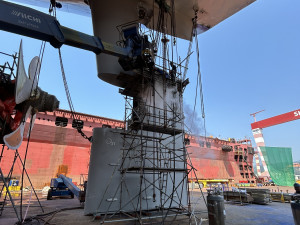
Polar Endeavour maintenance | Samkang S&C shipyard