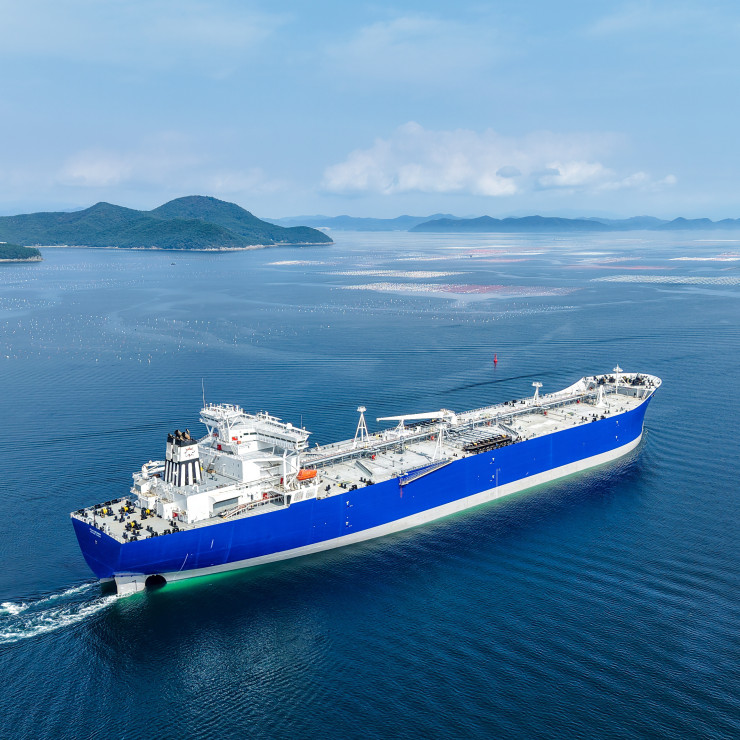
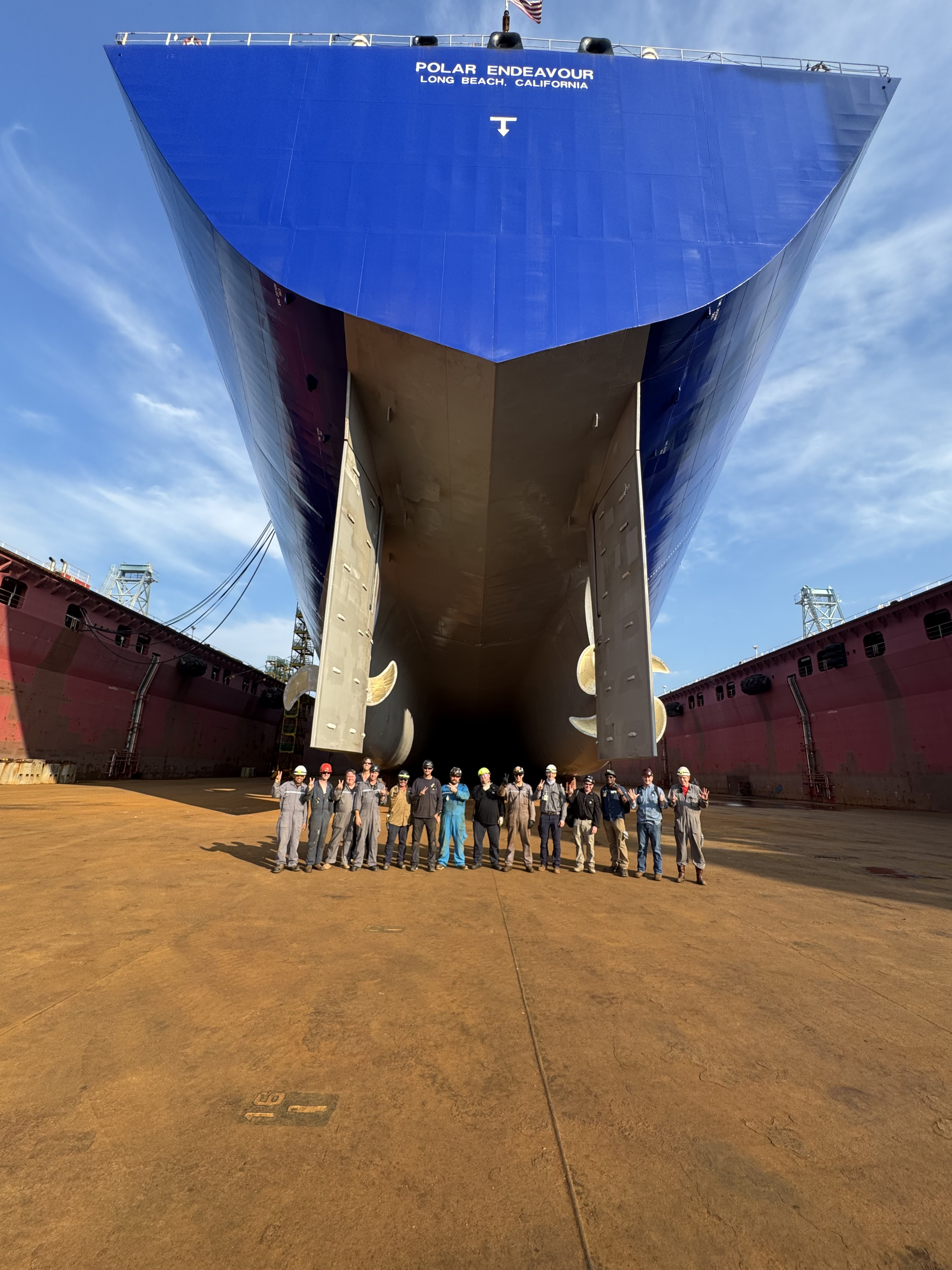
Polar Discovery departs a South Korea shipyard in 2025 after inspection and maintenance work.
The vessels have changed. The technology has changed. The business has changed. The faces have changed, too. Through it all, Polar Tankers’ commitment to safe, efficient operations has remained constant for 110 years.
Today, that commitment is carried forward every day by the mariners, engineers, operations professionals and support teams who keep the fleet's Endeavour-class vessels operating safely and reliably.
The organization's resilience is part of a history that stretches from a single tanker launched in 1916 by Atlantic Refining Co. to the five-vessel fleet operating today. You can explore more of that history in the timeline at the end of this story.
The latest chapter came in April 2026, when Polar Endeavour completed its 500th voyage.
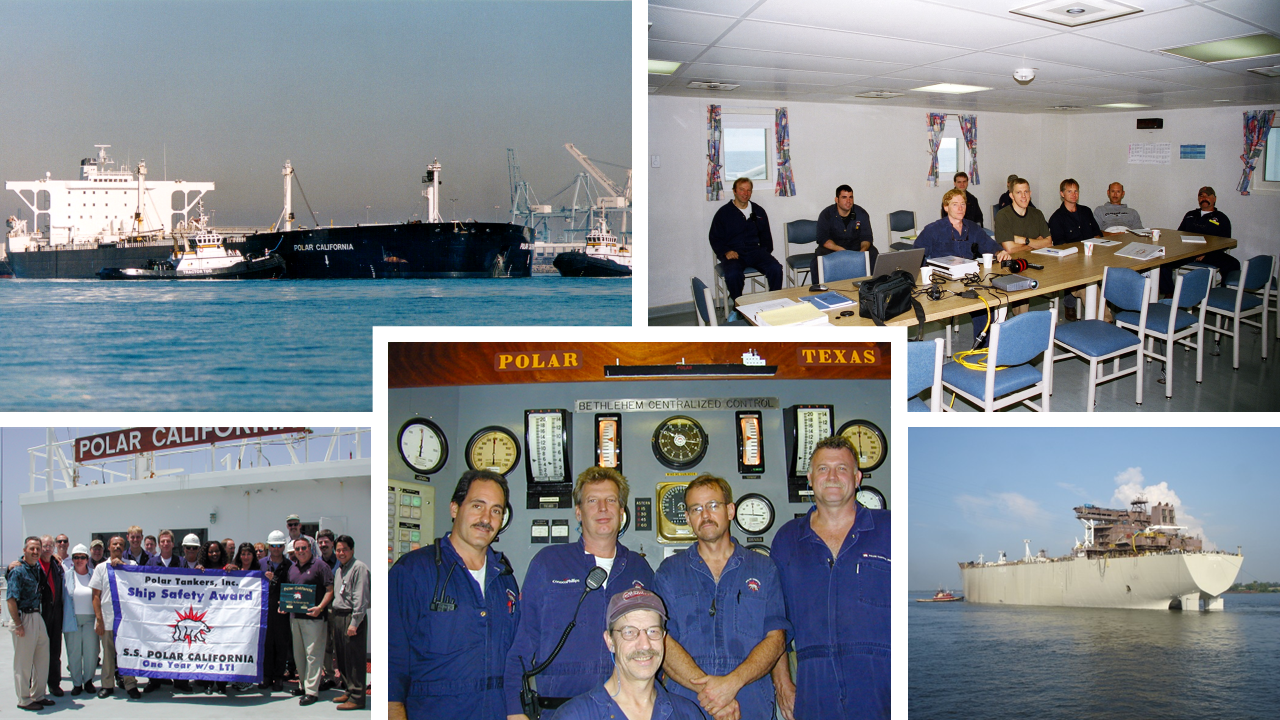
Powered by people
“Our 110-year anniversary milestone reflects generations of employees who built a culture strong enough to endure for more than a century,” said Christopher McDill, operations manager. "Organizations don’t remain successful for 110 years because of equipment or facilities. They do so because of people.”
Keeping the fleet moving takes an exceptional level of teamwork, preparation and commitment, McDill said.
“Every voyage requires people across the fleet and ashore to plan ahead, maintain equipment, meet regulatory requirements, monitor conditions and prepare for the unexpected. Working together, they help move crude safely, reliably and efficiently while protecting the environment.”
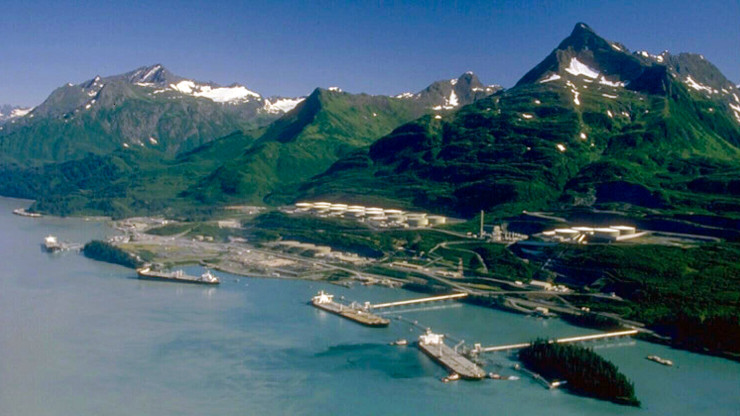
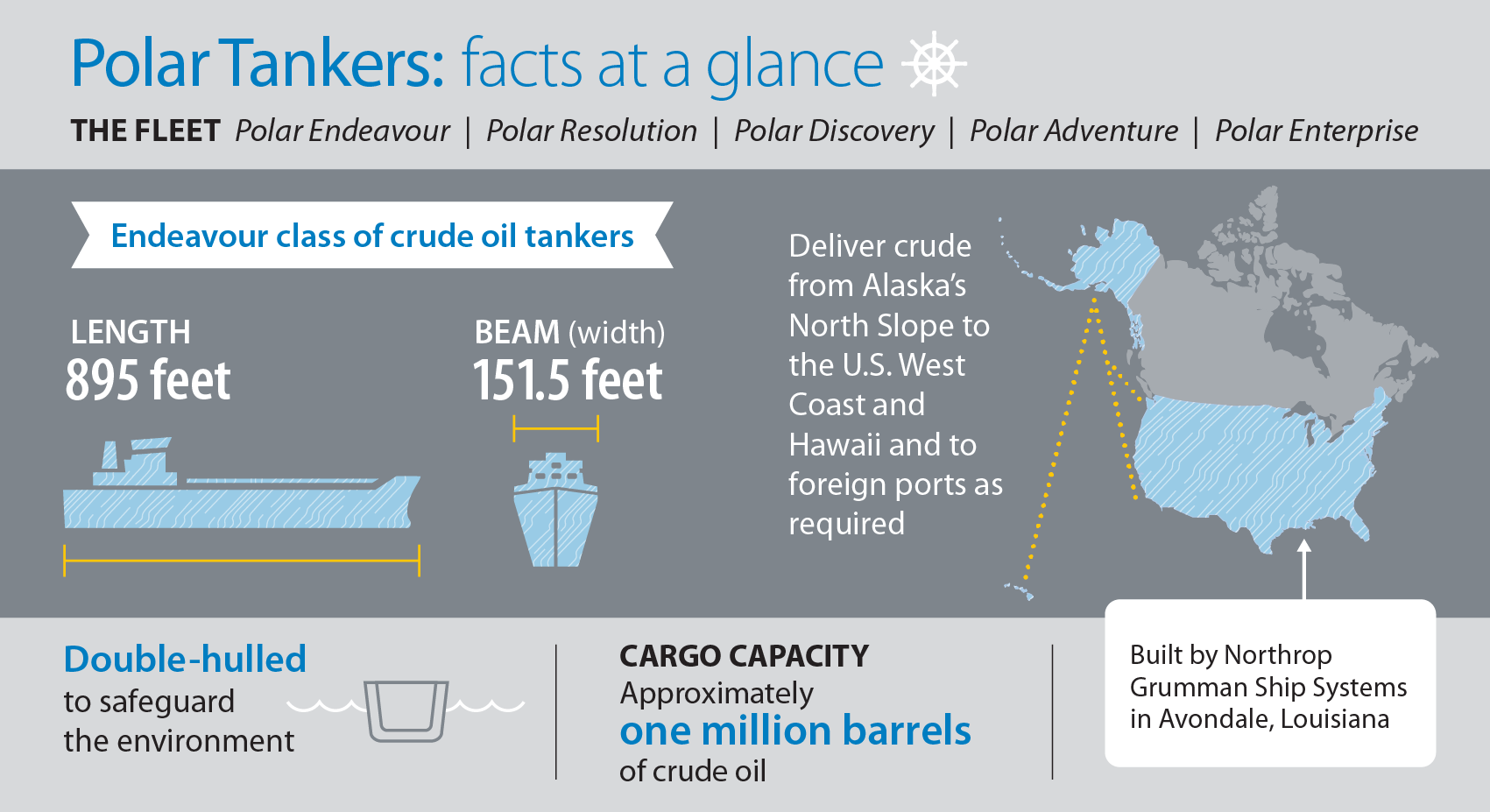
That collective effort supports the movement of more than one million barrels of Alaska North Slope crude aboard each vessel, from Valdez to refineries and terminals along the U.S. West Coast, Hawaii and other approved destinations.
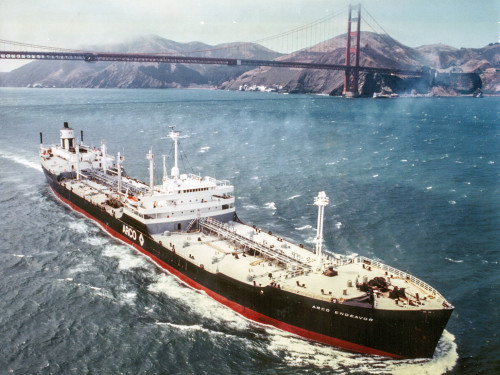
Maritime memories
People: “The backbone of our success”
Global Marine Chief Jerry White credits the organization's longevity to “resilience and duty.”
“The organization has been through a lot in 110 years,” White said. “No matter the changes the world has thrown at us, we’ve adapted and overcome.”
The story behind White’s words is one of challenge, change and reinvention.
The organization endured the loss of crews and vessels during two world wars, then adapted as its business evolved. Operations shifted from the East Coast to the Alaska crude oil trade, and the organization moved from transporting its own oil to company-owned refineries to serving third-party customers as an independent provider.
White, a member of the build team that delivered the final two Endeavour-class ships, remembers the enthusiastic reception from legacy crews as they boarded the new tankers, equipped with updated technology.
“Giving our crews the best possible tool to move crude out of Valdez is the capstone achievement that will always stand out for me.”
Another standout moment remains fresh in White’s memory.
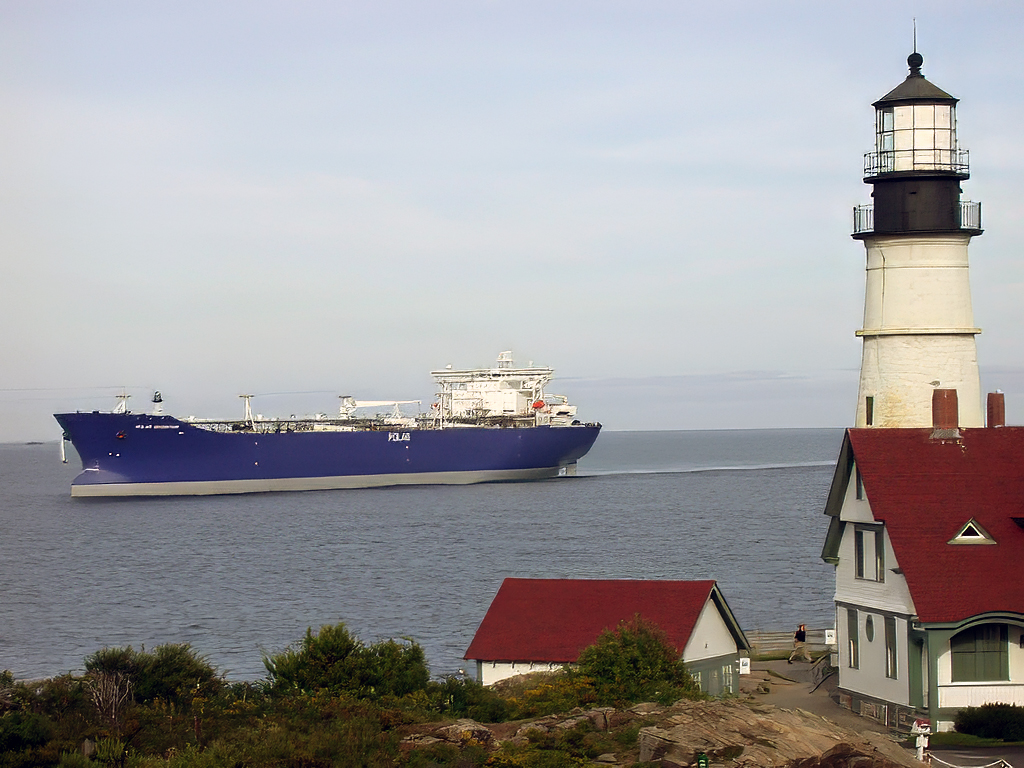
In 2004, after taking delivery of Polar Adventure from a New Orleans shipyard, the crew sailed to the Bahamas for the ship’s final paintwork. A hurricane changed the plan, and the crew moved the ship to Portland, Maine, within a few hours of many mariners’ families.
Seizing the rare opportunity, the crew opened the ship for a family day, giving relatives a firsthand look at the crude oil tanker — a workplace their family members called home for months at a time.
“Standing in one of the engine rooms watching parents look to their son or daughter and say, 'Wait, you keep all this going?' is hard to describe," he said. “The pride was palpable.”
The occasion reinforced what White considers central to Polar Tankers’ success.
“The people who sail the ships are the backbone of our success. And their families are part of that success, too.”
The people-first culture White describes is also the foundation of Polar Tankers’ approach to safety and environmental responsibility.
Putting people and the environment first
“The most important work we do is protecting people and the environment while delivering reliable operations,” said Bryan Dickson, director of Health, Safety and Environment for Polar Tankers.
At Polar Tankers, that responsibility begins with ownership, he said.
“Our employees take pride in their work, look out for one another and approach each task with professionalism, integrity and care.”
These principles are woven into the rhythm of daily operations.
From planning and preparation to real-time monitoring and communication, crews and shore-based teams work together to manage risk and maintain the high standards that have defined Polar Tankers for generations.
“These actions help protect our crews, vessels, cargo, communities and the environment,” he said.
“Awards are important because they recognize performance," he said, "but the real value is in the daily behaviors that make that performance possible: preparation, accountability, compliance, learning and care for one another.”

Adapting through innovation
Engineering Manager Kyle Boucher said technology continues to shape how Polar Tankers evaluates fleet upgrades and makes operational decisions.
As equipment and systems have evolved, he said, vessel teams have adapted with discipline and skill, embracing change with a “can-do” attitude.
The organization’s approach to innovation has contributed to several notable achievements, including the use of drones in 2018 for vessel inspections and thickness measurements.
That work, conducted in collaboration with maritime safety organizations and the U.S. Coast Guard, improved safety across the marine industry.
In recent years, Polar Tankers has enhanced fleet reliability, efficiency and environmental performance through a series of major technology investments, including Integrated Bridge System upgrades on four vessels in 2020 and the completion of a multiyear ballast water treatment system installation across all five vessels in 2023. Building on those efforts, Polar Tankers began retrofitting its vessels to use high-voltage shore power while berthed in Southern California, helping reduce emissions.
The company further enhanced fleet performance in 2025 by relocating its shipyard maintenance operations from Singapore to South Korea, a move that delivered efficiency gains, cost savings and increased commercial availability for the fleet.
Building excellence into every voyage
“One of the strengths of Polar Tankers is that we respect our history without becoming complacent,” said Johnna Miller, director of Operational Excellence & Fleet Assurance. “We are always looking for smarter, safer and more effective ways to work.”
Miller credits the organization’s disciplined mindset — based on accountability and continuous learning — for its operational excellence.
“We are well-positioned for the future,” she said.
Ready for the voyages ahead
As Alaska’s energy sector grows through new projects and investment, Polar Tankers will remain a vital link in ConocoPhillips’ ability to transport North Slope crude from the Valdez Marine Terminal to market — carrying a 110-year legacy into the future.
“Our responsibility is to keep improving, keep adapting and ensure Polar Tankers remains a trusted part of the energy value chain for decades to come,” said Chris Bulera, general manager, Global Marine and Polar Tankers. “We’ve seen a lot of change over the years. But our mission remains the same: to deliver crude oil safely and efficiently to our customers.”
Polar Tankers through the years
Polar Tankers’ maritime history traces back to the Atlantic Refining Company, which launched the 10,200-ton H.C. Folger in 1916. During the 1920s and 1930s, the fleet expanded and adopted new technologies, including all-welded hull construction and turbo-electric propulsion by 1938.
During World War II, the U.S. government requisitioned Atlantic’s fleet of 29 ships. Six vessels were lost to enemy action. After the war, the company rebuilt its fleet with T2 tankers and continued to expand. In 1966, a series of mergers led to the formation of Atlantic Richfield Company, commonly known as ARCO.
ARCO later became involved in the development of Alaska’s Prudhoe Bay oil fields and the Trans-Alaska Pipeline System. That Alaska connection contributed to the development of vessels designed for demanding northern operating conditions.
That lineage is reflected in today’s Endeavour-class vessels associated with Polar Tankers and ConocoPhillips. These vessels have continued to evolve, too, with upgrades supporting reliability, safety, environmental performance and changing regulatory requirements.
-
2026
-
2026
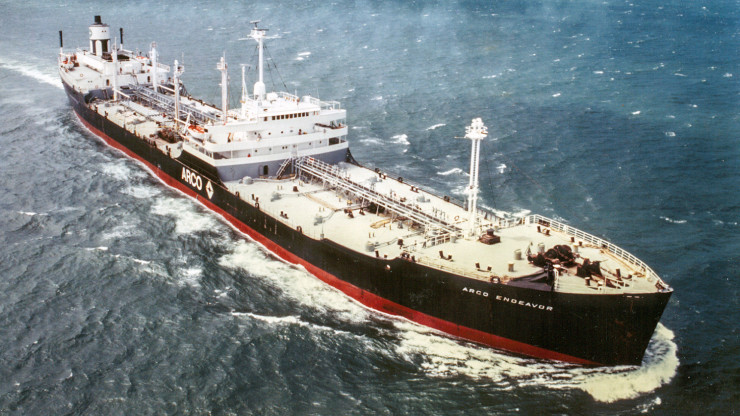
The Polar Endeavour marked its 500th voyage. Since entering service in May 2001, the Endeavour has safely transported approximately 410 million barrels of Alaskan North Slope crude-oil across more than 1.8 million nautical miles.
Milestones
-
-
2025
-
2025
Polar Tankers shifted it major shipyard maintenance activities from Singapore to South Korea, shortening transit distances, accelerating maintenance schedules and improving vessel availability while maintaining rigorous safety expectations.
Milestones
-
-
2023
-
2023
2023-current
Polar Tankers implemented its high-voltage shore connection (HVSC) program, commissioning the first three vessels for shore power service in 2025 and reducing emissions while berthed in Southern California.
Milestones
-
-
2020
-
2020
Polar Tankers completed four of five Integrated Bridge System upgrades to meet updated International Hydrographic Organization navigation requirements.
Milestones
-
-
2019
-
2019
2019-2023
Polar Tankers completed a multi-year ballast water treatment system installation program across all five vessels, one of the fleet's largest environmental compliance and engineering initiatives since delivery of the Endeavour-class fleet.
Milestones
-
-
2018
-
-
2016
-
2016
Polar Tankers marked 100 years of service.
Milestones
-
-
2015
-
2015
Polar Tankers’ vessels transitioned to fuels permitted in emission control areas (ECAs).
Milestones
-
-
2012
-
2012
A new Global Marine organization formed following the organizational split.
Milestones
-
-
2011
-
2011
2011-2013
Polar Tankers completed a fleetwide conversion from oil-lubricated to water-lubricated stern tube technology, eliminating a potential source of marine oil discharges.
Milestones
-
-
2006
-
2006
Polar Enterprise was delivered.
Milestones
-
-
2004
-
2004
Polar Adventure was delivered.
Milestones
-
-
2003
-
2003
Polar Discovery was delivered.
Milestones
-
-
2002
-
2002
Phillips and Conoco merged to form ConocoPhillips. The Polar Resolution was delivered.
Milestones
-
-
2001
-
2001
The Polar Endeavor was delivered and loaded its first cargo at Valdez.
Milestones
-
-
2000
-
2000
Phillips Petroleum Company acquired ARCO Alaska. The fleet became Polar Tankers and retained a naming convention already used by Phillips.
Milestones
-
-
1999
-
1999
Following the Olympic Pipeline explosion, ARCO vessels worked continuously to deliver product to Seattle and Portland.
Milestones
-
-
1997
-
1997
The Endeavour class new-build project began at Avondale Shipyard in New Orleans, Louisiana.
Milestones
-
-
1990
-
1990
The Oil Pollution Act of 1990 required new oil tankers operating in U.S. waters to have double hulls and set in motion the phased retirement of existing single-hulled vessels.Milestones
-
-
1985
-
1985
Bridge Resource Management program for safer vessel operations
ARCO Marine established a training program that included a Team Trainer Class and a Bridge Team Management Class. Bridge Resource Management (BRM) emphasizes leadership, communication, teamwork and decision-making on a ship’s bridge. It helps bridge teams use all available resources, including personnel, equipment, procedures and information, to support safe navigation and vessel operations. These practices help reduce the risk of accidents caused by human error.
Milestones
-
-
1982
-
1982
Manned-model training gives mariners realistic, hands-on ship-handling practice with crewed scale-model vessels. It helps them safely develop advanced maneuvering skills and better understand how vessels behave on the water.
Milestones
-
-
1977
-
1977
The Trans Alaska Pipeline System was completed. The ARCO Juneau loaded its first cargo of Alaska crude at the Valdez terminal.
Milestones
-
-
1966
-
1966
Atlantic Refining and Richfield merged to form the Atlantic Richfield Co., commonly known as ARCO. The fleet was renamed.
Milestones
-
-
1960
-
1960
Atlantic commissioned larger T2s, including the Atlantic Heritage, with a capacity of 410,000 barrels.
Milestones
-
-
1957
-
1957
The Richfield Oil Corp. discovered oil in the Prudhoe Bay region of northern Alaska.
Milestones
-
-
1950
-
1950
The Seaman class expanded cargo capacity to 253,000 barrels. The vessels were enlarged versions of the T2 design.
Milestones
-
-
1945
-
1945
Atlantic began transitioning to T2 tankers, each with a capacity of 138,000 barrels. By 1948, the fleet consisted of 22 ships.
Milestones
-
-
1942
-
1942
The U.S. government requisitioned Atlantic’s fleet of 29 ships for use during World War II. Six vessels were lost to enemy action, resulting in 97 casualties.
Milestones
-
-
1916
-
1916
The H.C. Folger was christened as the Atlantic Refining Co.'s first flagged tanker, with a cargo capacity of 79,000 barrels, a length of 435 feet and a deadweight capacity of 10,575 tons. She was propelled by a 2,600-horsepower steam turbine, with a service speed of 11 knots (12.7 mph).
Milestones
-