Key points
- The Alaska Safety Handbook is an integral component of the safety culture in Alaska's oil and gas industry
- The handbook is refreshed every four years to incorporate the latest improvements and findings on safety and environmental practices
- It serves as a reference for safety procedures that guide daily work habits and behaviors on the North Slope of Alaska
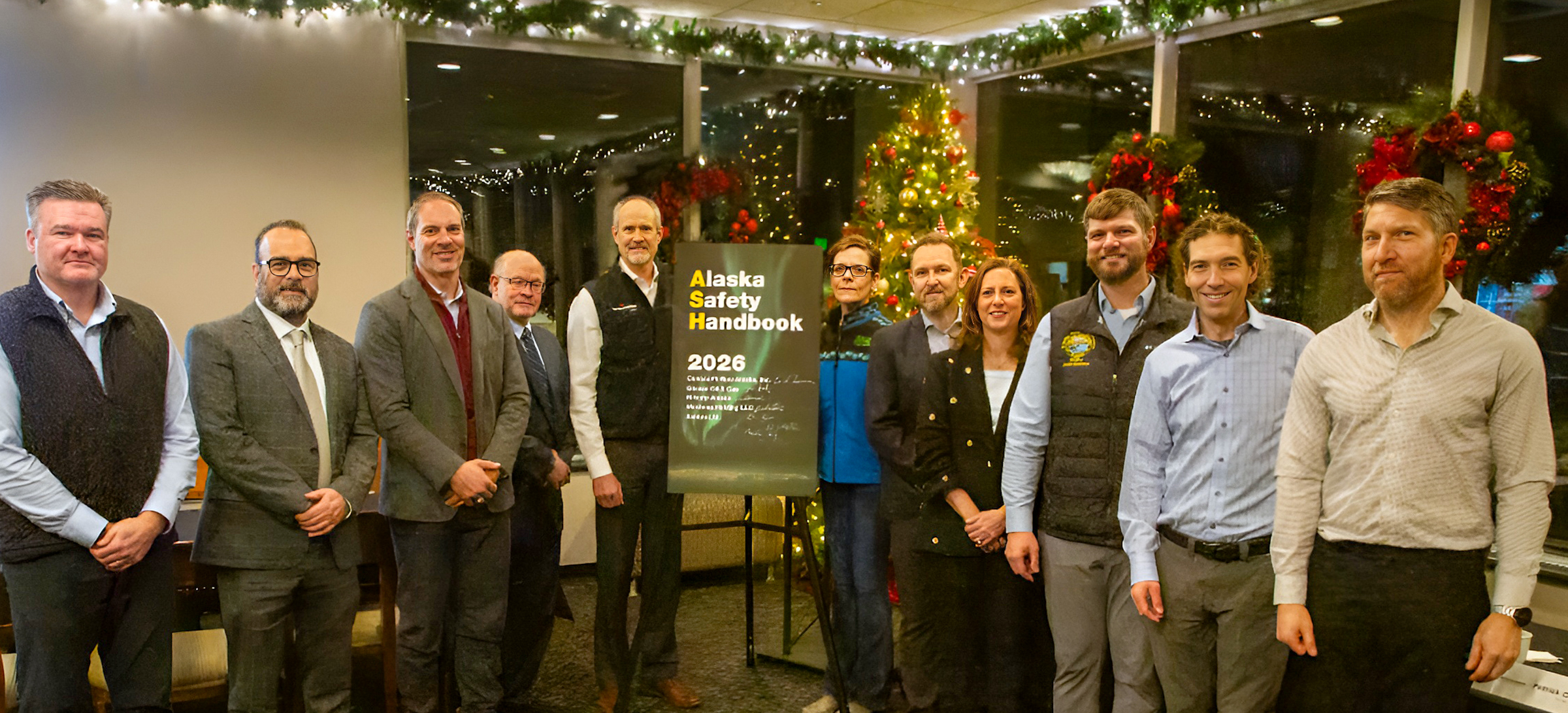
Representatives from ConocoPhillips Alaska, Glacier Oil & Gas, Hilcorp Alaska, Mustang Holding LLC and Santos Ltd. recently unveiled the 2026 Alaska Safety Handbook, the primary resource for North Slope safety.
For the past 30 years, the handbook has served as a trusted, comprehensive guide, consolidating all essential safety procedures.
Published on Jan. 1, the 2026 edition continues this tradition, establishing unified safety standards to be followed over the next four years.
Why the handbook is important
Developed and regularly updated by a ConocoPhillips-led committee, the handbook provides consistent safety standards for personnel working on the North Slope. The Alaska Safety Alliance is a key committee contributor, along with other operating companies.
Once the handbook content is finalized, the Alaska Safety Alliance is responsible for developing and revising the associated training modules in the North Slope Training Cooperative (NSTC) Unescorted training program, as well as administering the program on behalf of operators.
The North Slope Training Cooperative (NSTC) was founded in 1997 when BP and ARCO field managers on Alaska’s North Slope signed the NSTC Health, Safety and Environmental Guidelines. The NSTC Unescorted training program became the mandatory minimum requirement for all North Slope operator companies and contractor personnel. Today, NSTC is a collaborative training effort funded by ConocoPhillips Alaska, Hilcorp Alaska, LLC, and Oil Search (Alaska), LLC, a subsidiary of Santos Limited.
Employees and contractors of the North Slope operators rely on the handbook, which details essential safety responsibilities and procedures.
The handbook provides clear guidance on life-saving rules, required personal protective equipment, protocols for handling hazardous materials, and comprehensive permitting standards.
It also addresses essential tasks such as hot work, confined space entry and electrical energy isolation, making sure workers have the information and resources necessary to operate safely and adhere to unified safety standards.
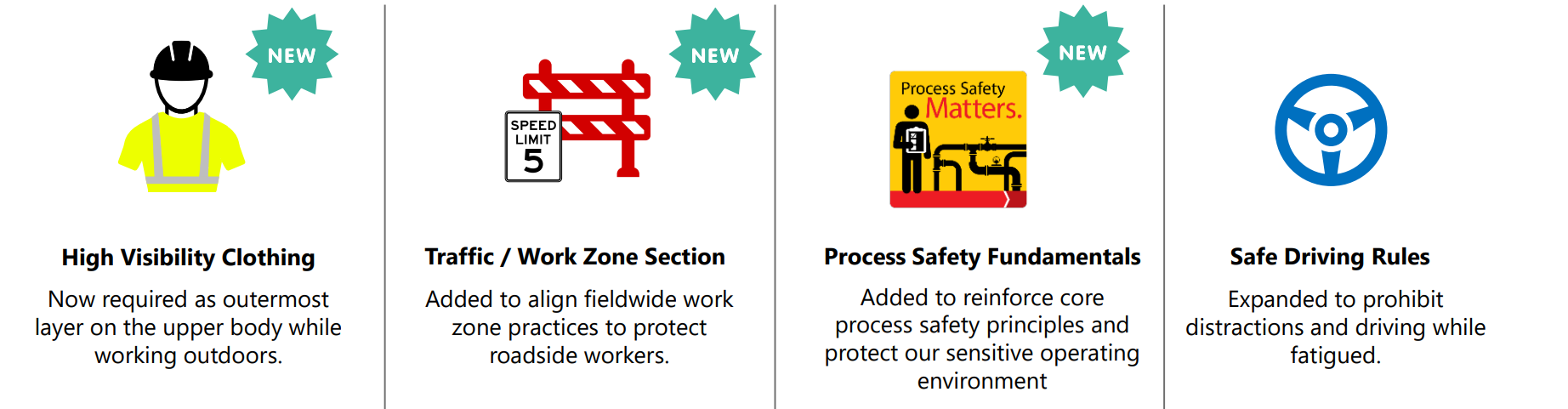
The 2026 Alaska Safety Handbook introduces new requirements for high-visibility clothing, updated traffic and work zone procedures, and incorporates eight key process safety awareness fundamentals. It also expands on safe driving rules.
Revisions drive continuous improvement
The handbook revision process shows what's possible when competition gives way to collaboration, all in the interest of safety. The revision process is open to all employees of member organizations, allowing them to share feedback during designated review periods.
“Safety is everyone’s responsibility,” said Jason Charton, vice president, Health, Safety and Environment for ConocoPhillips. “When we work together, we strengthen the safety culture that protects people and operations across the North Slope.”
Protecting the North Slope workforce for the last 30 years and improving tomorrow
Monthly committee meetings and open calls for input promote broad participation, helping keep the handbook current with the latest safety practices and regulatory requirements.
“The safety of our employees is our number one priority, and we appreciate the effort and work that went into updating this important guide,” said ConocoPhillips Alaska President Erec Isaacson.
