Greatham Tank Farm field trial lays foundation for deployment of automated drone technology
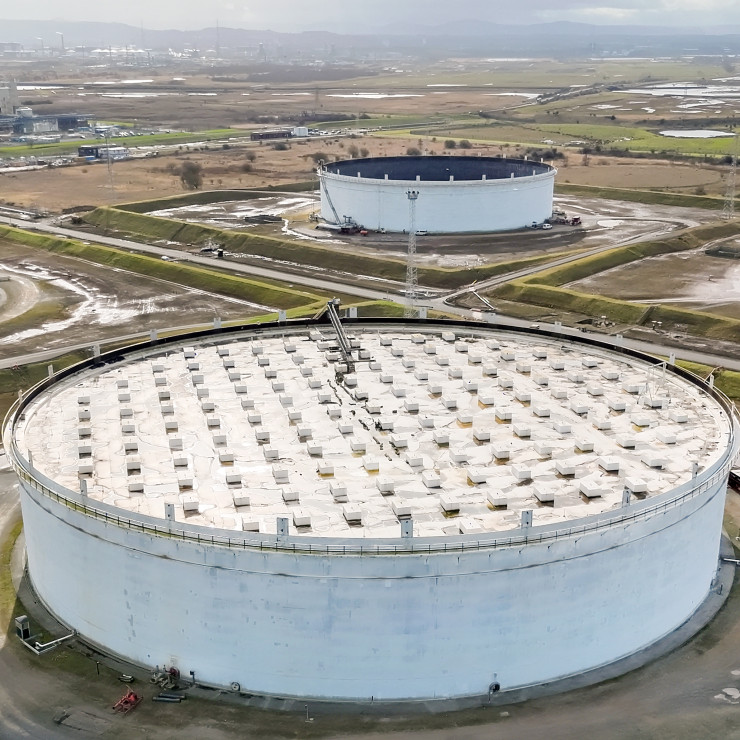
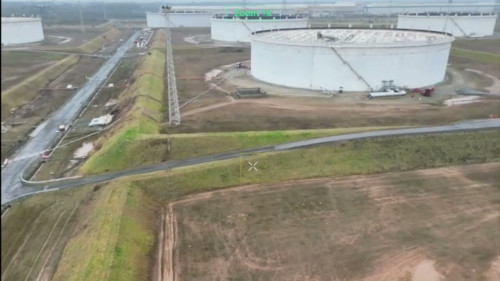
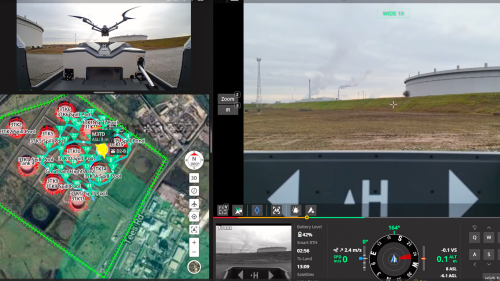
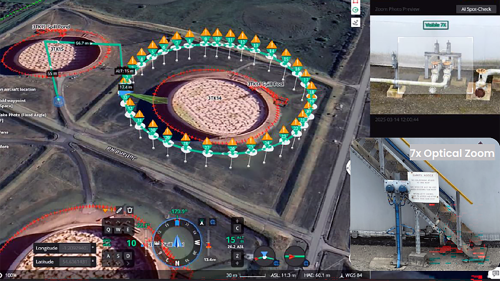
An autonomous aerial drone captured this image during a field trial at Greatham Tank Farm.
By Gus Morgan
Share
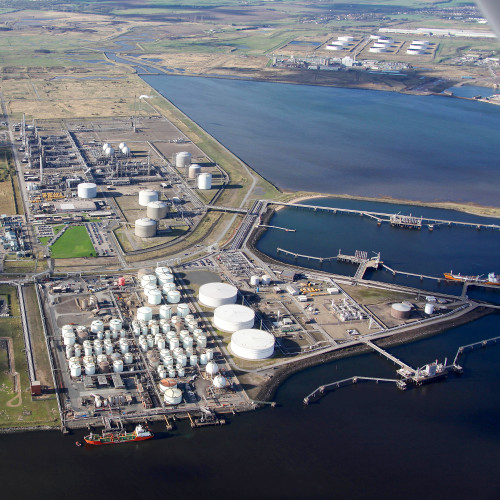
A Teesside Oil Terminal team is testing fully autonomous drones to improve asset monitoring, enhance inspections and reduce safety risks at the U.K. facility.
For Teesside, the shift to autonomous drones would be an evolution rather than a leap. The terminal, like many ConocoPhillips assets, has used piloted drones for many years to inspect equipment, detect problems and keep workers out of hazardous situations.
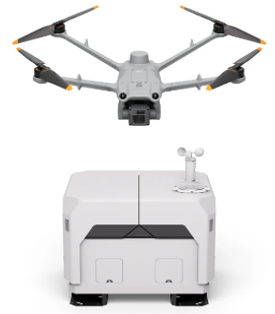
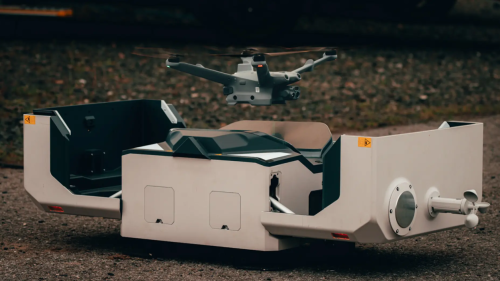
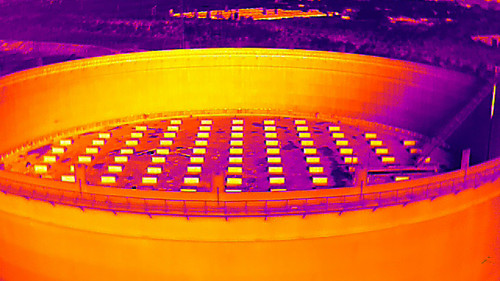
Drone in a box: The Teesside project team used a DJI Dock 2 system for its field tests. The dock deployed a DJI Matrice drone with visual and thermal imaging capabilities. Photo courtesy Heliguy.
A key advantage of an autonomous drone over a piloted one is true automation — the ability to perform complex tasks without a pilot on site or at the controls. Humans can still set goals or monitor it, but the drone does not need someone to manually steer it every second.
Autonomous drones can unlock safer, faster and more scalable operations — capabilities that are especially valuable for industrial sites like Teesside, where inspection and monitoring are critical.
'Significant first step'
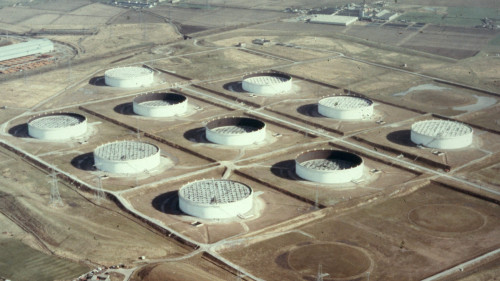
Looking ahead, the Teesside project team will continue to evaluate autonomous drone deployment, leveraging insights gained from a 90-day field trial at Greatham Tank Farm in early 2025. That trial focused on the use of emerging beyond-visual-line-of-sight drone technology.
Storage and Terminal Project Coordinator Glen Ransom, who is helping lead the project, deemed the 2025 trial as "a significant first step" toward fully autonomous drone operations at Teesside.
"As we continue to develop the scope," Ransom said, "we see opportunities for drones to support multiple departments — inspection, security, and operations — making this a truly cross-functional innovation."
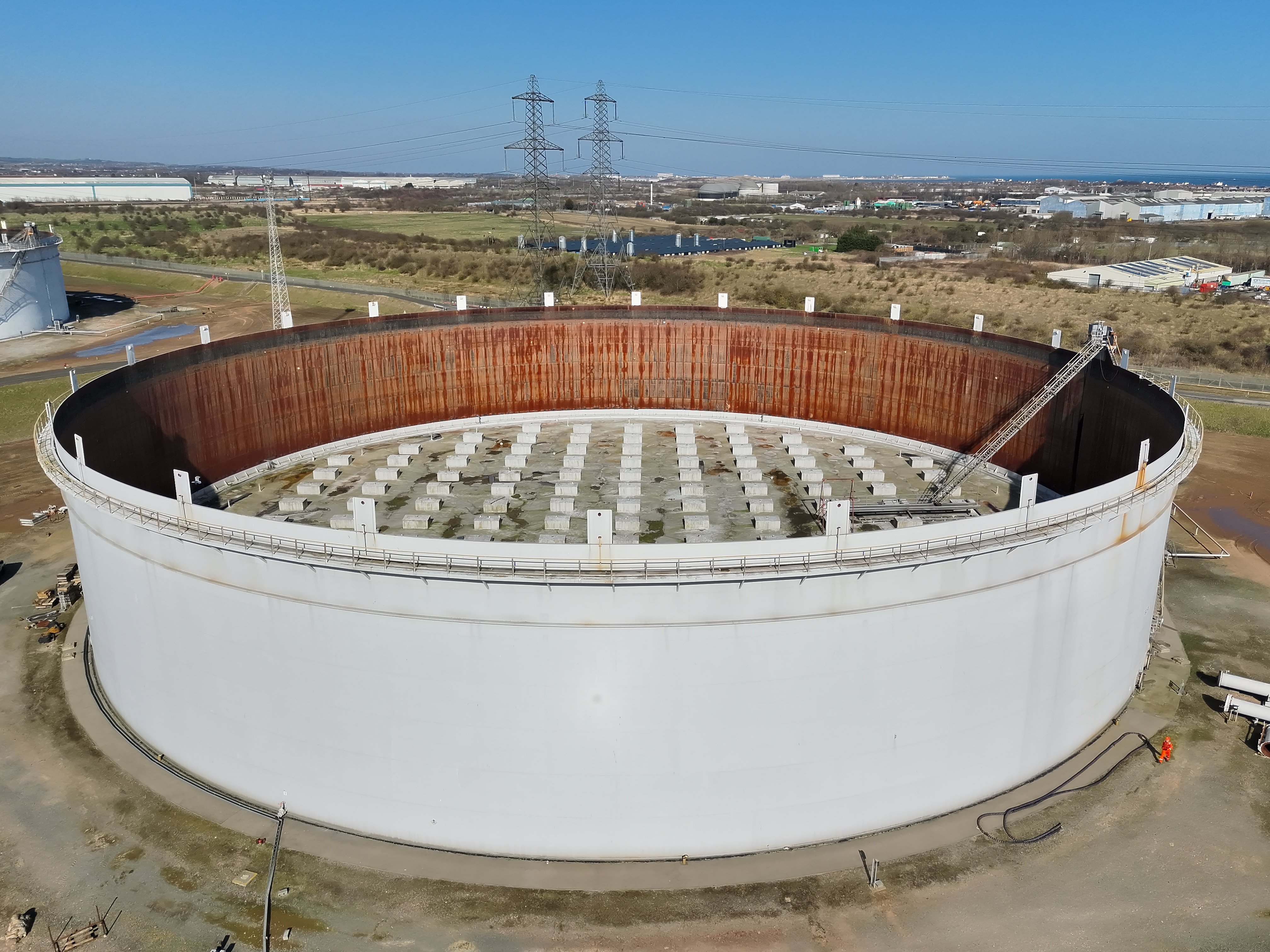
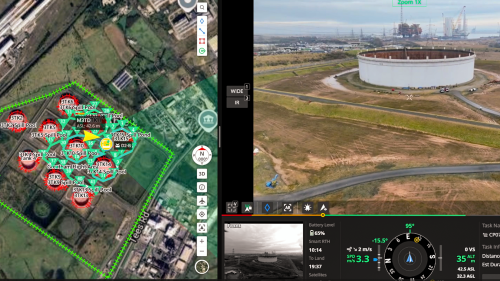
Safety, efficiency and insight: Autonomous drones can reduce inspection and monitoring of tank critical equipment from days to minutes.
The business case for autonomous drones
Improves operational monitoring/inspections
Generates superior data
Achieves efficiency savings
Reduces process and occupational safety risks
The Teesside team used a “drone in a box” solution – the DJI Dock 2 for the trial. This system features a base station that houses and charges the drone, enabling it to perform scheduled, automated flights. During the tests, a pilot was present only as a safety standby, ready to take control if the drone deviated from its automated route.
The trial confirmed the technical feasibility of using autonomous drones for asset monitoring. The test drone not only proved dependable — completing 61% of its scheduled inspection flights — but also captured high-resolution data, delivering clear, actionable imagery of tank roofs, bases and associated equipment.
Future use would involve a DJI Dock 3 system with added capabilities, allowing the drone to operate in even harsher conditions and increasing overall use to more than 80 percent.
Regulatory considerations
Because the tank farm is near a nuclear power plant, the Teesside team had to secure special permits to allow drone flights in a no-fly zone. The trial also helped them demonstrate compliance with Civil Aviation Authority requirements, paving the way for future requests to conduct fully automated, beyond-visual-line-of-sight flights when local regulations allow them.